
Key Takeaways
- Hair follicles that have permanently stopped functioning cannot be revived with topical treatments or supplements alone; surgical transplant becomes the only option once follicles shut down completely.
- Non-surgical methods like minoxidil and laser therapy slow hair loss and encourage regrowth in active follicles, but they work best when started early in the thinning process.
- Hormonal shifts after 40 alter both hair growth cycles and scalp blood flow, which is why the same treatment that worked in your 30s may deliver different results a decade later.
- Individual factors like scalp health, medication use, and underlying conditions determine which restoration methods will actually work for your specific pattern of thinning. Hair restoration for thinning hair after 40 includes non-surgical methods that support active follicles and surgical transplant for areas where follicles have stopped functioning. Your results depend on factors many overlook until they’ve invested in the wrong approach.
Why age changes which restoration methods work
Hair follicles cycle through growth phases that shorten with age. After 40, hormonal changes reduce the length of the anagen phase while extending the telogen (resting) phase. Each strand grows for a shorter period before shedding, and the follicle takes longer to produce new hair. Declining estrogen in women and shifting testosterone-to-DHT ratios in both sexes alter follicle function. DHT binds to receptors in scalp follicles, miniaturizing them over time. As follicles shrink, they produce thinner hairs and eventually stop functioning.
The most common pattern I see is a decline in estrogen and progesterone combined with changes in testosterone balance, especially during perimenopause and menopause. As estrogen declines, hair often spends less time in the growth phase and more time shedding. At the same time, even normal androgen levels can have a greater effect on genetically susceptible hair follicles. I also frequently see underlying issues like thyroid dysfunction, low ferritin, vitamin deficiencies, chronic stress, or insulin resistance contributing to the problem. Hair loss is rarely caused by just one thing, which is why we always recommend a comprehensive evaluation rather than guessing.
Scalp perfusion also declines with age. Reduced blood flow means fewer nutrients reach the follicles, weakening hair production even in follicles that haven’t miniaturized. This is why treatments that worked in your 30s may plateau or fail after 40; the conditions supporting hair growth have changed. According to Harvard Health, once hair follicles stop working, the only option is hair transplant surgery, which typically involves moving healthy follicles from another area of the scalp to a bald or thinning area. The window for non-surgical intervention closes when follicles shut down.
What determines whether a restoration method will work for you
Not every method addresses the same type of thinning. Match the treatment to your specific pattern of loss, or you’ll waste money on something ineffective.
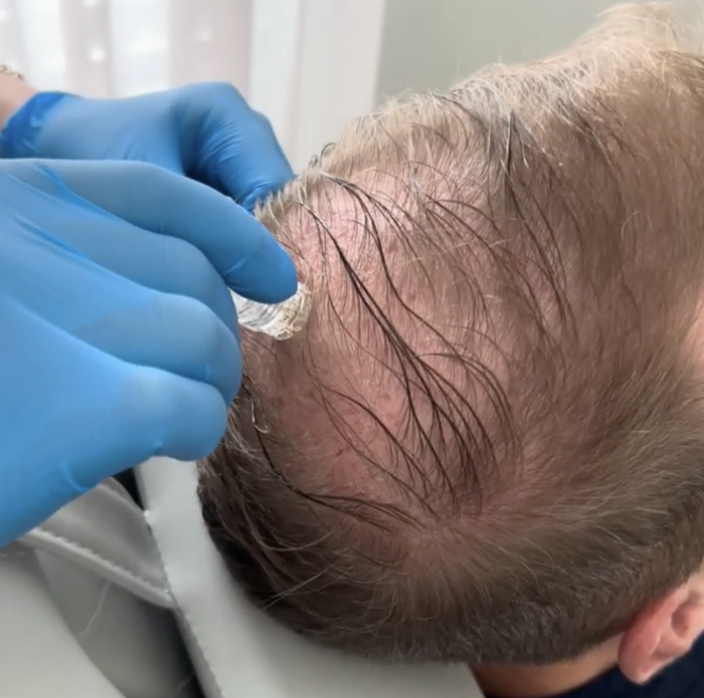
- Active follicle status: If follicles are still producing hair, even thin strands, topical treatments and therapies that stimulate circulation can help. If the scalp is smooth and shiny with no visible follicle openings, those follicles are likely dead, and only transplant surgery will restore coverage in that area.
- Location and extent of thinning: Crown thinning responds differently than frontal recession. Diffuse thinning across the scalp suggests a systemic issue (hormonal, nutritional, or medication-related) that needs diagnosis before any restoration method will work. Concentrated thinning in one area may respond to localized treatments.
- Underlying health conditions: Thyroid disorders, autoimmune conditions, and certain medications accelerate hair loss. Treating thinning hair without addressing the root cause is like bailing water from a boat with a hole in it. Get a full workup before committing to a restoration method.
- Realistic timeline expectations: Non-surgical methods require months of consistent use before results appear. If you need visible improvement within weeks, your only option is surgical transplant. Many abandon effective treatments too early because they expect faster results than biology allows.
- Maintenance commitment: Minoxidil and similar treatments stop working once you discontinue use. Hair gained through these methods will shed within months of stopping. If you’re not prepared for lifelong maintenance, factor that into your decision now.
Why the same treatment produces different results in different people
The belief that hair restoration guarantees regrowth for everyone overlooks how individual biology determines outcomes. Results vary based on factors you can’t see from the outside. Myth: All thinning hair can be reversed with the right product. Follicles that have been dormant for years or have atrophied cannot be reactivated. WebMD notes that treatments like minoxidil, biotin, and laser therapy can slow hair loss and encourage regrowth, but only in follicles that are still functioning. Once a follicle is gone, no topical treatment or supplement will bring it back. Myth: Expensive treatments always outperform basic options. Cost doesn’t correlate with effectiveness for your specific type of thinning. A $30 bottle of minoxidil may deliver better results than a $500 laser cap if your thinning is due to poor circulation to active follicles. The mechanism of action matters more than the price tag. Myth: Surgical transplant is a one-time permanent fix. Transplanted follicles survive, but the surrounding native hair continues thinning according to your genetic pattern. Most transplant patients need additional procedures years later to maintain coverage as age-related thinning progresses in untreated areas. Myth: Natural or holistic approaches are safer and just as effective. Biotin and other supplements support hair health only if you have a documented deficiency. Taking them when your levels are already normal won’t accelerate growth. Some “natural” treatments contain undisclosed active ingredients or contaminants that can cause more harm than regulated products. Variability in results stems from differences in follicle health, scalp condition, hormonal environment, and how long thinning has been progressing. Two people with similar thinning patterns can have different underlying causes, which is why the same treatment works for one and fails for another.
The biggest misconception is that hair restoration is just about stimulating new hair growth. In reality, if you don’t identify and address the underlying cause—whether it’s hormonal changes, nutrient deficiencies, thyroid issues, inflammation, stress, or genetics—you may not get the results you’re hoping for. The best outcomes happen when we combine advanced hair restoration treatments with an individualized plan that addresses what’s happening inside the body as well.
At Frisco Body Contouring & Ageless Wellness, we recommend a comprehensive hormone panel and overall wellness evaluation to identify the underlying factors affecting hair health, helping clients understand the root causes of thinning before recommending a personalized restoration plan.
Frequently asked questions
How much do hair restoration treatments cost?
Non-surgical options like minoxidil or laser therapy range from $20 to $200 monthly, depending on the method and whether you use generic or branded products. Surgical transplant costs vary widely based on the number of grafts needed, anywhere from a few thousand to over ten thousand dollars for extensive coverage. Most insurance plans classify hair restoration as cosmetic and don’t cover it.
How long before I see results from hair restoration?
Non-surgical treatments require at least three to four months of consistent use before visible improvement appears, with full results taking six to twelve months. Surgical transplant shows initial growth around three months post-procedure, with final density visible at twelve to eighteen months. Anyone promising faster results is either misrepresenting biology or offering a temporary cosmetic fix that doesn’t address actual regrowth.
What are the risks or side effects of hair restoration methods?
Minoxidil can cause scalp irritation, unwanted facial hair growth if it drips beyond the treatment area, and initial shedding as weak hairs are replaced. Laser therapy is generally low-risk but ineffective if follicles are already non-functional. Surgical transplant has standard surgical risks, including infection, scarring, uneven growth, and requires weeks of recovery. Oral medications like finasteride carry hormonal side effects that some people cannot tolerate. Every method has trade-offs. Which risks you’re willing to accept for the potential benefit is the question.
Making the call on your approach
Start by determining whether your follicles are still active. If you can see fine hairs in thinning areas, non-surgical methods have potential. If the scalp is smooth with no visible follicle openings, those follicles are likely gone, and only transplant will restore coverage there. Get a full health workup to rule out thyroid issues, nutritional deficiencies, or medication effects before spending money on restoration treatments. Addressing an underlying condition may slow or stop thinning without additional intervention. If you’re dealing with age-related thinning and want to understand the full picture of what’s driving it, hormonal, circulatory, or systemic, Frisco Body Contouring offers personalized assessments that look at body composition and wellness factors influencing hair health. This way, you can make an informed decision before committing to a restoration method.
